
Duct Cleaning and Mould Prevention: Protecting Your Caribbean Home from What You Can't See
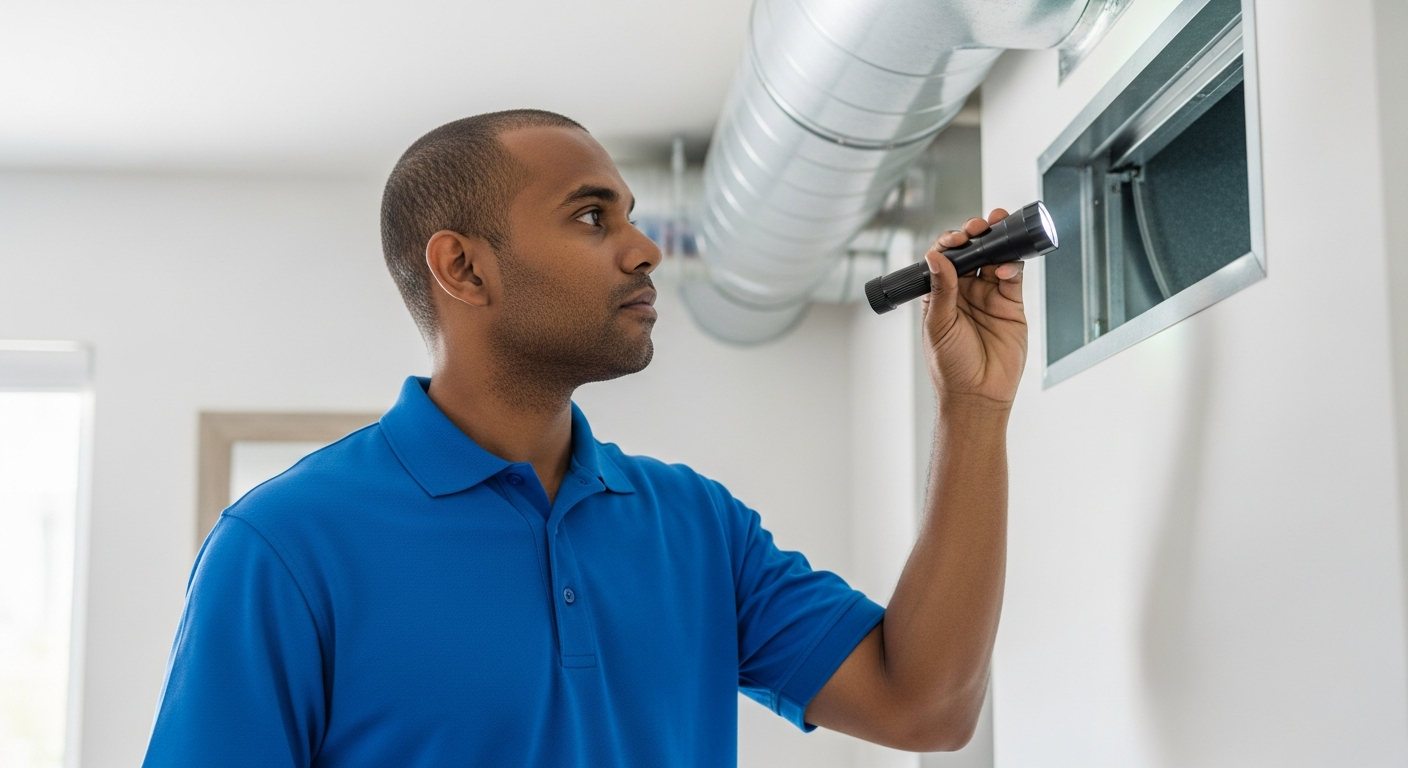
There's something growing inside your ductwork right now. In the Caribbean's warm, humid climate, the dark, moist interior of air ducts is one of the most hospitable environments for mould, bacteria, and biological contamination. Every time your air conditioning runs, it pushes air through those ducts and into the rooms where you live, sleep, and work.
Most people never think about what's inside their ducts because they never see it. But what you can't see can genuinely affect your health, your comfort, and the performance of your AC system.
Why the Caribbean Is a Perfect Storm for Duct Contamination
Duct contamination happens everywhere, but several factors make it significantly worse in tropical climates:
Constant Humidity
The Caribbean maintains high ambient humidity year-round. Even with air conditioning controlling indoor humidity, ductwork runs through unconditioned spaces — attics, ceiling voids, wall cavities — where humidity levels can exceed 80%. Condensation forms on the cooler exterior surfaces of ducts, and any small leak or joint gap allows moisture into the duct interior.
Year-Round Operation
In temperate climates, AC systems shut down for months during winter, allowing ducts to dry out and reducing biological growth. In the Caribbean, continuous operation means continuous moisture cycling through the duct system. There's no natural drying period.
Organic Debris
Tropical vegetation produces enormous amounts of pollen and organic particulates. Combined with household dust and skin cells, this organic matter provides the food source that mould and bacteria need to thrive once moisture is present.
Temperature Differential
Cold air in the ducts and hot, humid air surrounding them creates condensation — exactly the conditions that promote biological growth on both interior and exterior duct surfaces.
The Health Impact
Contaminated ductwork isn't just an aesthetic problem. The health effects of breathing mould spores, bacterial contamination, and accumulated particulates are well-documented:
- Respiratory irritation — persistent coughing, sneezing, congestion, and throat irritation, especially when the AC is running.
- Allergic reactions — mould spores are potent allergens. People who have "allergies that never go away" may actually be reacting to their own ductwork.
- Asthma exacerbation — contaminated ducts can trigger and worsen asthma symptoms, particularly in children.
- Sick building syndrome — in commercial settings, contaminated ductwork is one of the primary causes of widespread occupant complaints about headaches, fatigue, and respiratory issues.
- Vulnerable populations — infants, elderly persons, and immunocompromised individuals face heightened risks from exposure to airborne mould and bacteria.
The Tell-Tale Signs
How do you know if your ducts need attention? Watch for these indicators:
- Musty smell when the AC starts — this is the most common and obvious sign. If you smell mould when the system first turns on, mould is present.
- Visible mould around vent grilles — dark spots or discolouration around supply or return air grilles often indicate mould growth inside the ductwork.
- Allergy symptoms that improve when you leave the building — if your symptoms get better when you go outside or to a different building, your indoor air quality is likely the cause.
- Dust deposits despite regular cleaning — if surfaces accumulate dust unusually quickly, your ductwork may be distributing particulates.
- Inconsistent airflow from vents — debris buildup can partially block duct sections, reducing airflow to certain rooms.
Why Professional Duct Cleaning Matters
There's a right way and a wrong way to clean ductwork. Done incorrectly, duct "cleaning" can actually make things worse — disturbing contaminants and spreading them more widely throughout the system without effectively removing them.
Servair is a proud member of NADCA (the National Air Duct Cleaners Association), and our technicians are NADCA-certified. This distinction matters because NADCA sets the industry standard for proper duct cleaning methodology.
The NADCA-Standard Process
- Pre-cleaning inspection — visual inspection and, where needed, camera inspection of duct interiors to assess the type and extent of contamination. This determines the cleaning approach and identifies any structural issues.
- System protection — the HVAC system components (coils, blower, etc.) are protected during the cleaning process.
- Mechanical agitation — specialised tools (rotating brushes, air whips, compressed air tools) physically dislodge contaminants from duct surfaces. This is critical — simply vacuuming the duct opening doesn't remove material adhered to duct walls.
- Negative pressure collection — a powerful vacuum system connected to the ductwork creates negative pressure, capturing all dislodged contaminants and preventing them from being dispersed into the living space.
- Antimicrobial treatment — where biological contamination (mould, bacteria) is present, approved antimicrobial treatments are applied to duct surfaces to eliminate remaining organisms and inhibit regrowth.
- Component cleaning — supply and return grilles, registers, and accessible components are cleaned and sanitised.
- Post-cleaning verification — visual and/or camera inspection confirms that contamination has been effectively removed.
Preventing Future Contamination
A clean duct system won't stay clean forever, especially in the Caribbean. But you can significantly extend the time between professional cleanings with these preventive measures:
Maintain Your AC System
The single biggest factor in duct contamination is moisture from a poorly maintained AC system. Keep your system serviced, ensure the condensate drain is clear, and replace filters monthly. A well-maintained system controls humidity effectively and doesn't introduce excess moisture into the ductwork.
Seal Duct Leaks
Every gap, crack, or disconnected joint in your ductwork allows humid, unconditioned air to enter. Duct sealing reduces both energy waste and moisture intrusion. A professional duct inspection can identify and seal these leak points.
Insulate Ducts in Unconditioned Spaces
Ducts running through hot attics or ceiling voids should be properly insulated to prevent condensation on the duct exterior. This is a common source of moisture problems in Caribbean buildings.
Use Quality Filters
Higher-quality pleated filters capture more particulate matter before it enters the ductwork. While you'll need to change them more frequently (as they clog faster), they significantly reduce the dust and debris that accumulates in ducts. For maximum protection, consider upgrading to HEPA-grade filtration.
Control Indoor Humidity
If your AC system isn't keeping indoor humidity below 60%, investigate why. It could be an oversized unit (which short-cycles and dehumidifies poorly), a refrigerant issue, or excessive air infiltration from outside.
How Often Should You Get Ducts Cleaned?
For most Caribbean homes and offices, NADCA recommends professional duct cleaning every 3 to 5 years. However, more frequent cleaning may be needed if:
- Occupants have allergies, asthma, or respiratory conditions
- The building is near a construction site or high-traffic road
- There's been water damage or flooding affecting the duct system
- Visible mould growth is detected
- The building is near the coast with high salt air exposure
- The HVAC system has been neglected or improperly maintained
Beyond Duct Cleaning: Complete Air Quality Solutions
Duct cleaning is one part of a comprehensive indoor air quality strategy. For the best results, combine professional duct cleaning with:
- Regular AC maintenance — keeping the entire system clean and efficient.
- UV-C disinfection — installed in the ductwork or air handler, UV-C lights continuously destroy mould and bacteria as air passes through.
- Quality filtration — upgrading to HEPA or high-MERV filters for better particulate capture.
- Air purification — standalone air purifiers like the LG PuriCare range for targeted room-level air cleaning.
We stock UV-C disinfection systems, HEPA filter options, and the LG PuriCare air purifier range alongside our duct cleaning services — giving you a complete toolkit for indoor air quality.
Concerned about your ductwork? Ready to schedule a professional duct cleaning? Contact Servair at 1 (868) 658-1910 or WhatsApp 1 (868) 374-7295. As NADCA members with certified technicians, we deliver duct cleaning that meets international standards.